
ABOUT US
The Gender Justice and Intersectional Practice Network is an independent, Black African-led feminist network representing Black African and Caribbean migrant and minoritised women.
Established in 2024 through the foundational work of the P.H.O.E.B.E. Centre, the Network has evolved into an autonomous collective of five Network member organisations, with its own governance, leadership and strategic direction.
Working across the UK, with a particular focus on East Anglia, we bring together grassroots organisations, women with lived experience, community leaders, frontline professionals, researchers and other partners committed to advancing gender justice and addressing gender-based violence and intersecting inequalities.
We connect community knowledge, lived experience, professional practice and research, creating spaces for collaboration, learning and collective advocacy.
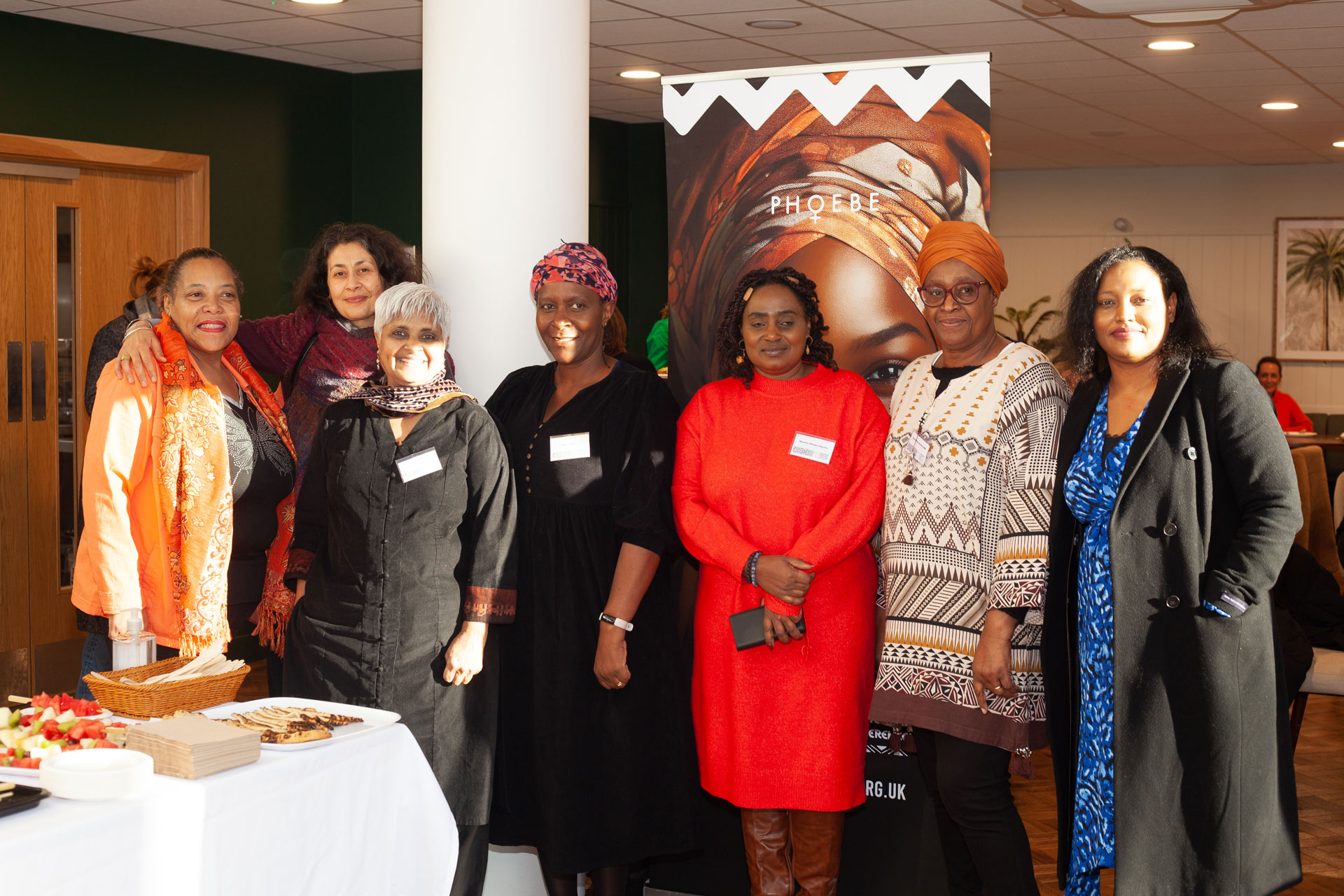
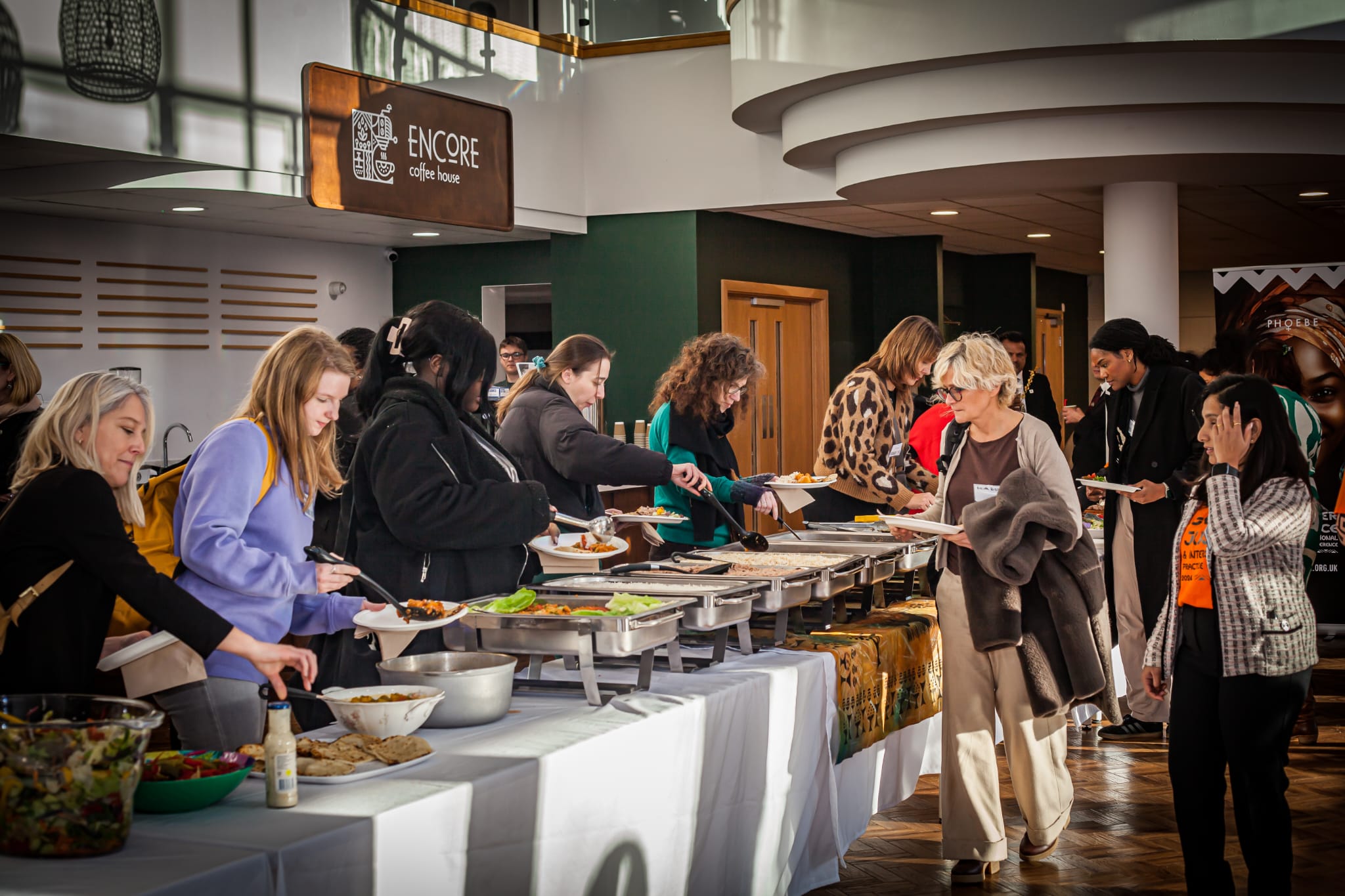
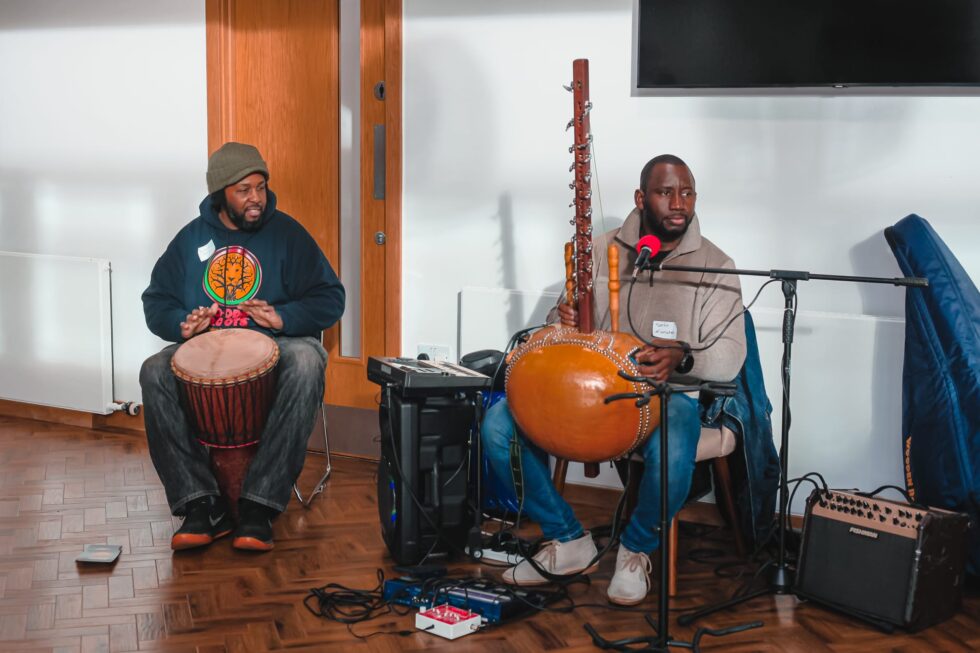
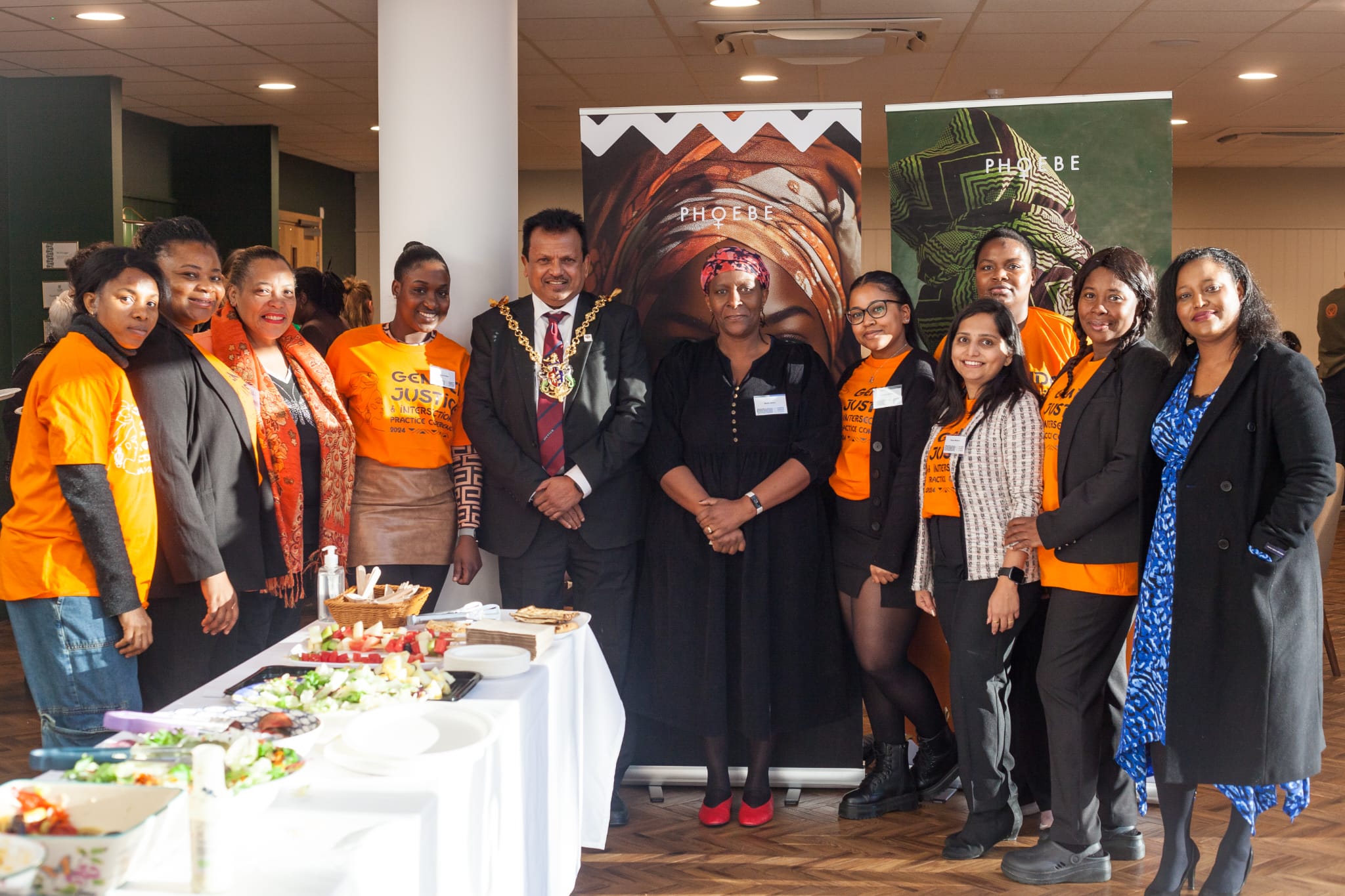
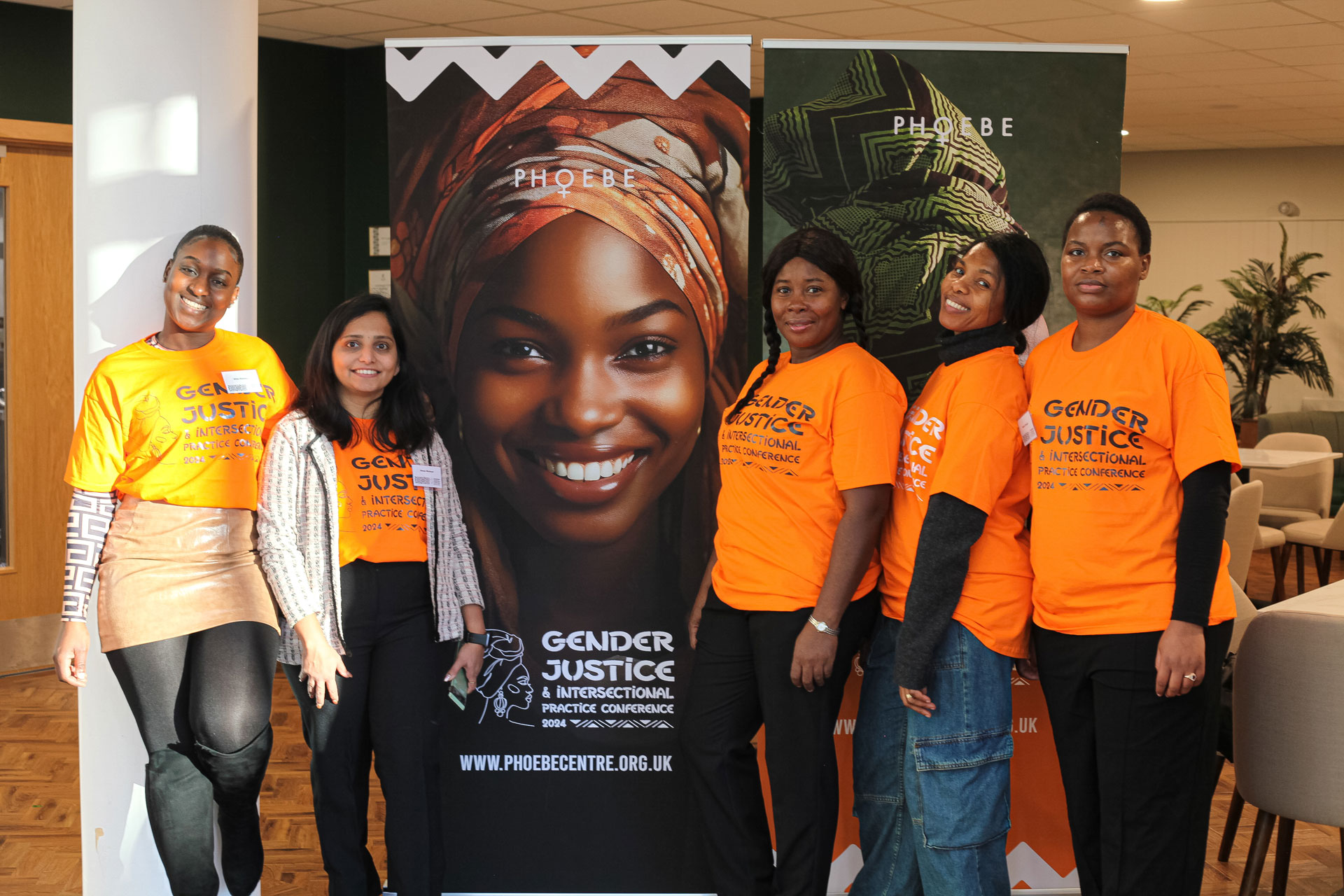
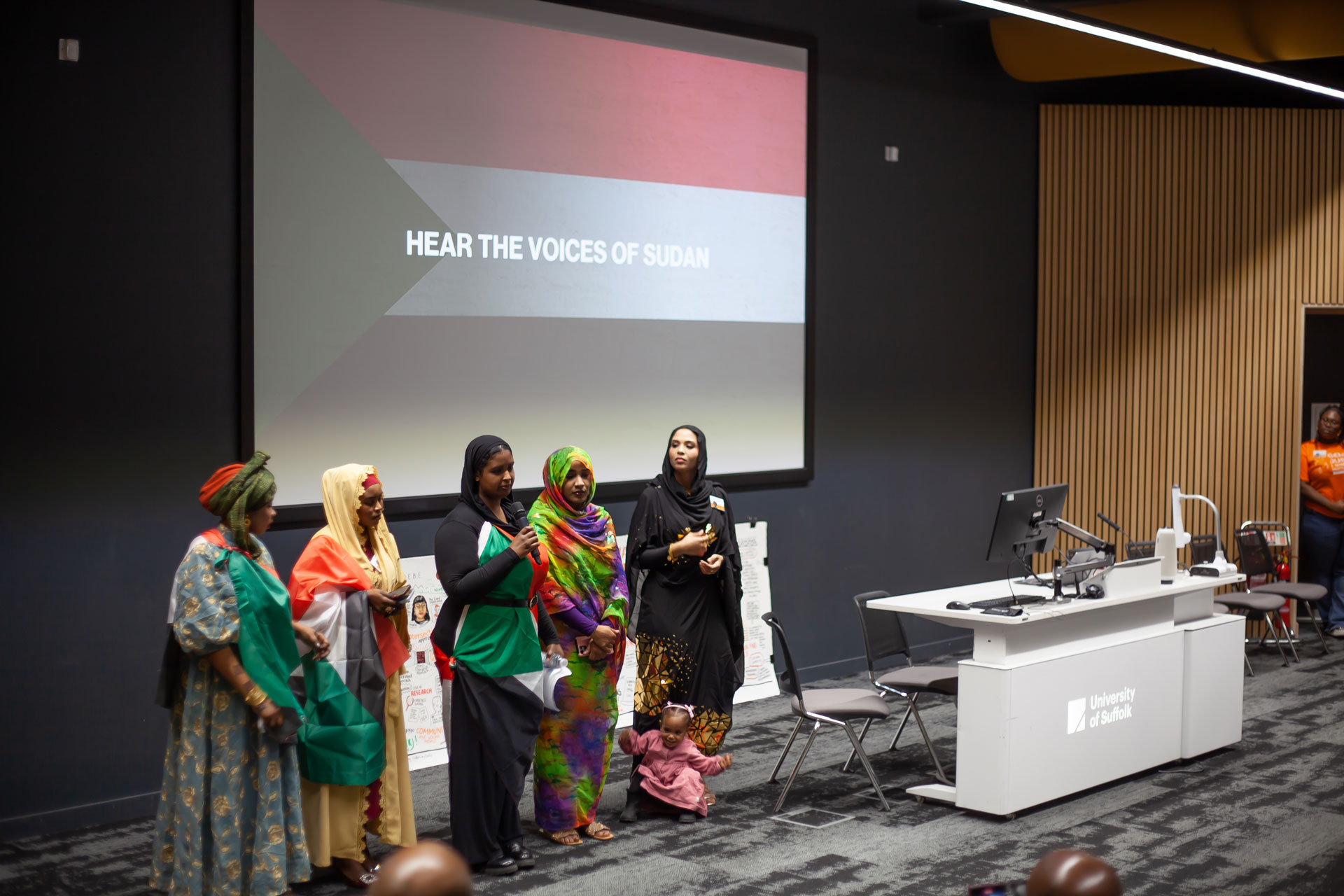
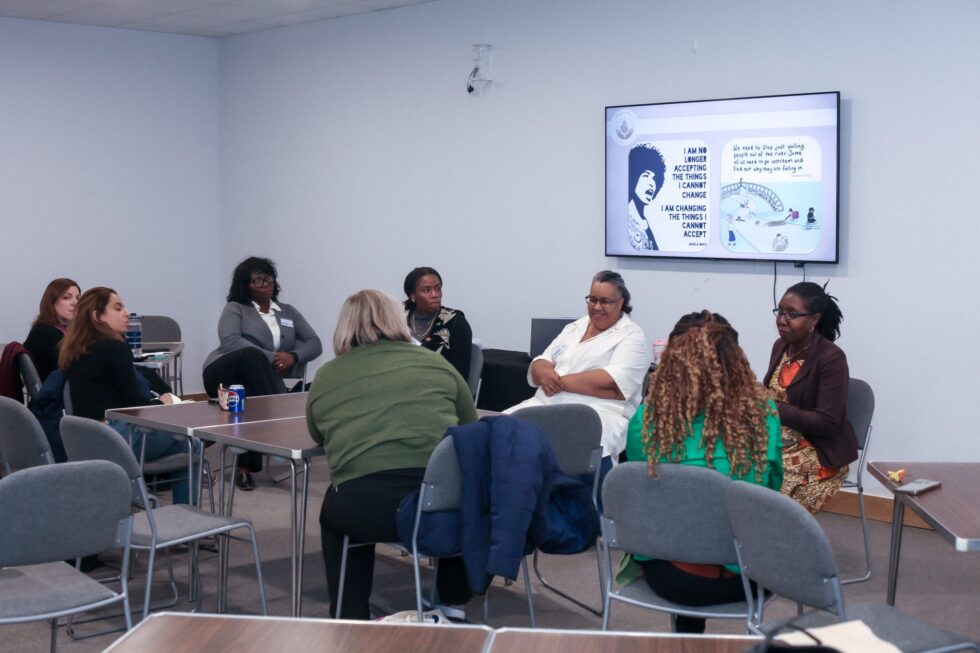
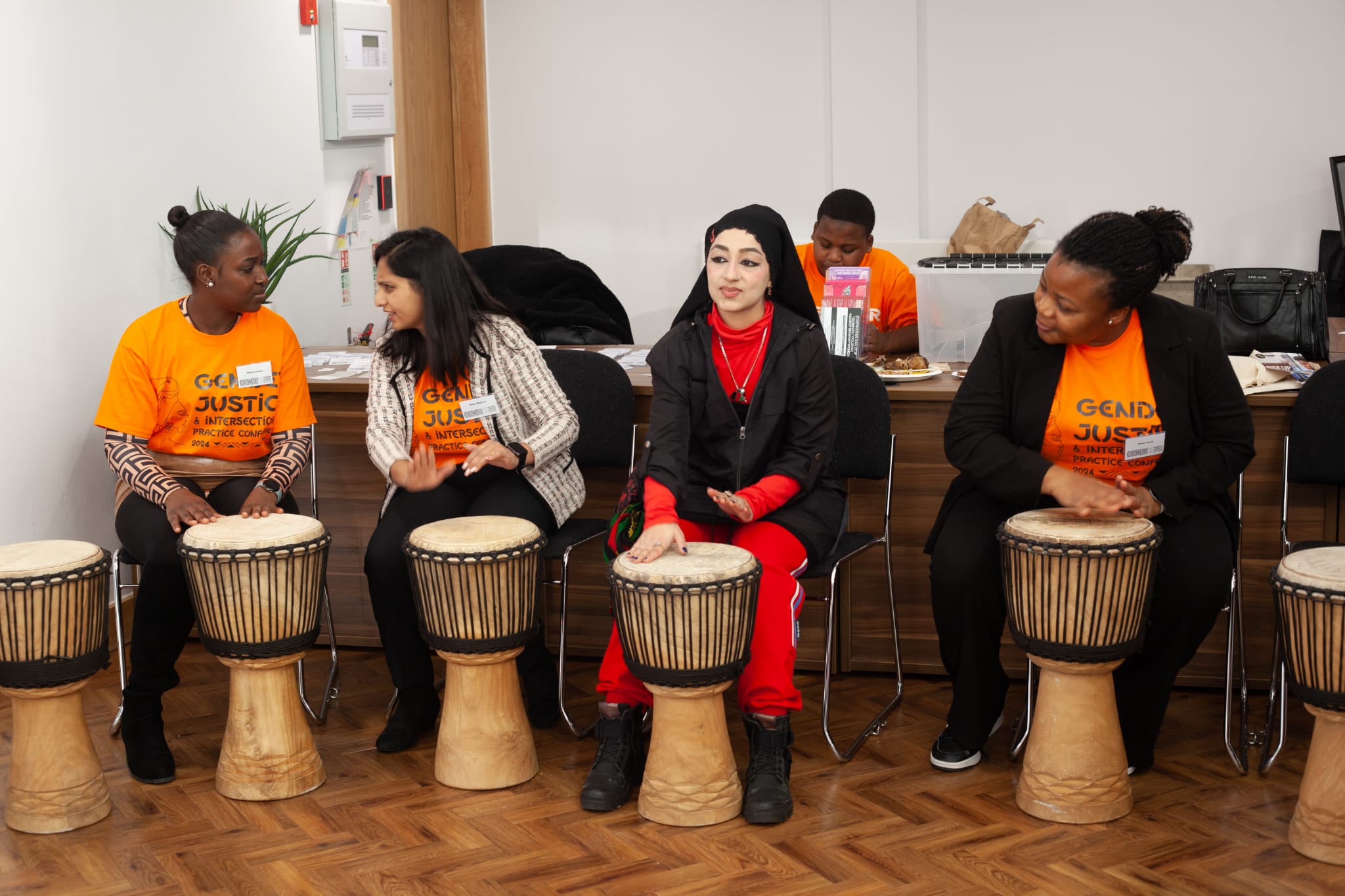
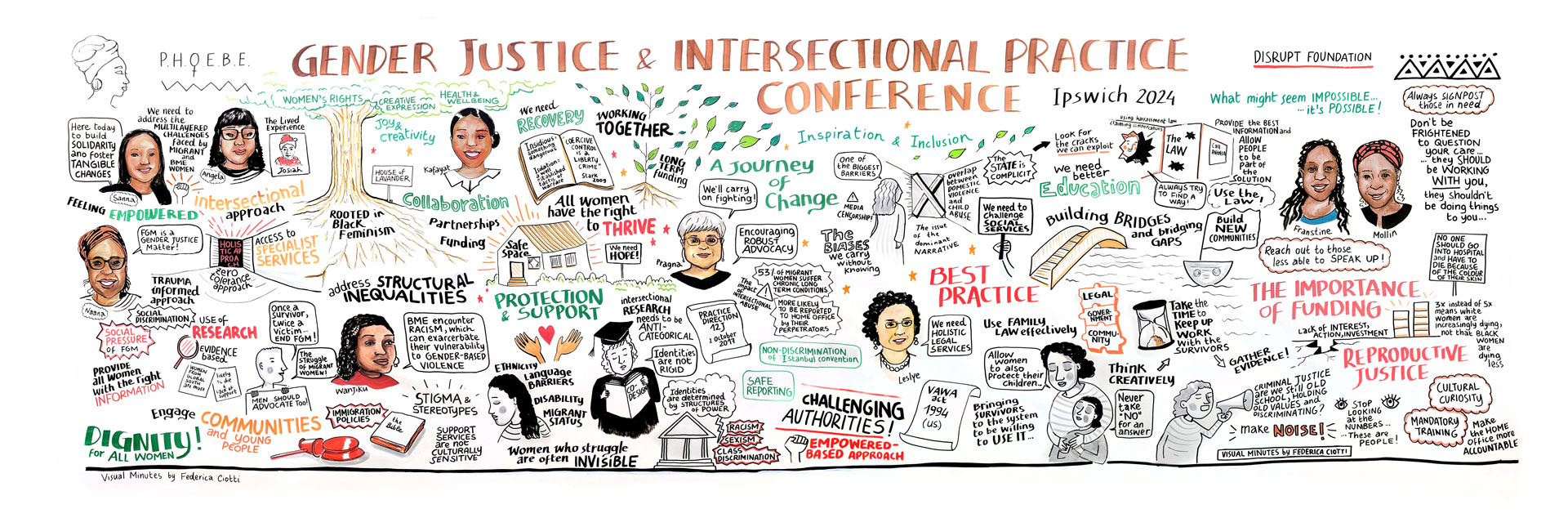
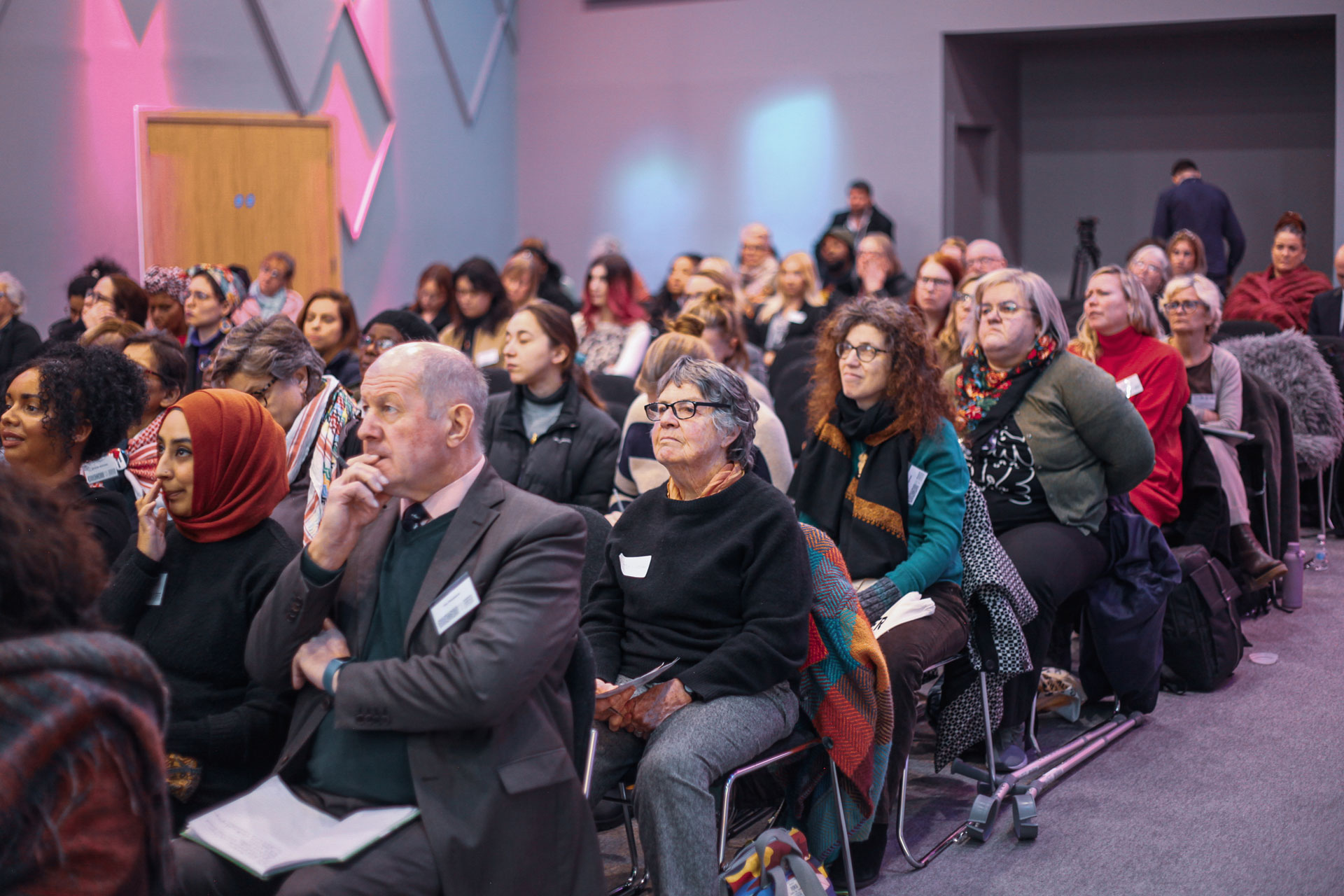
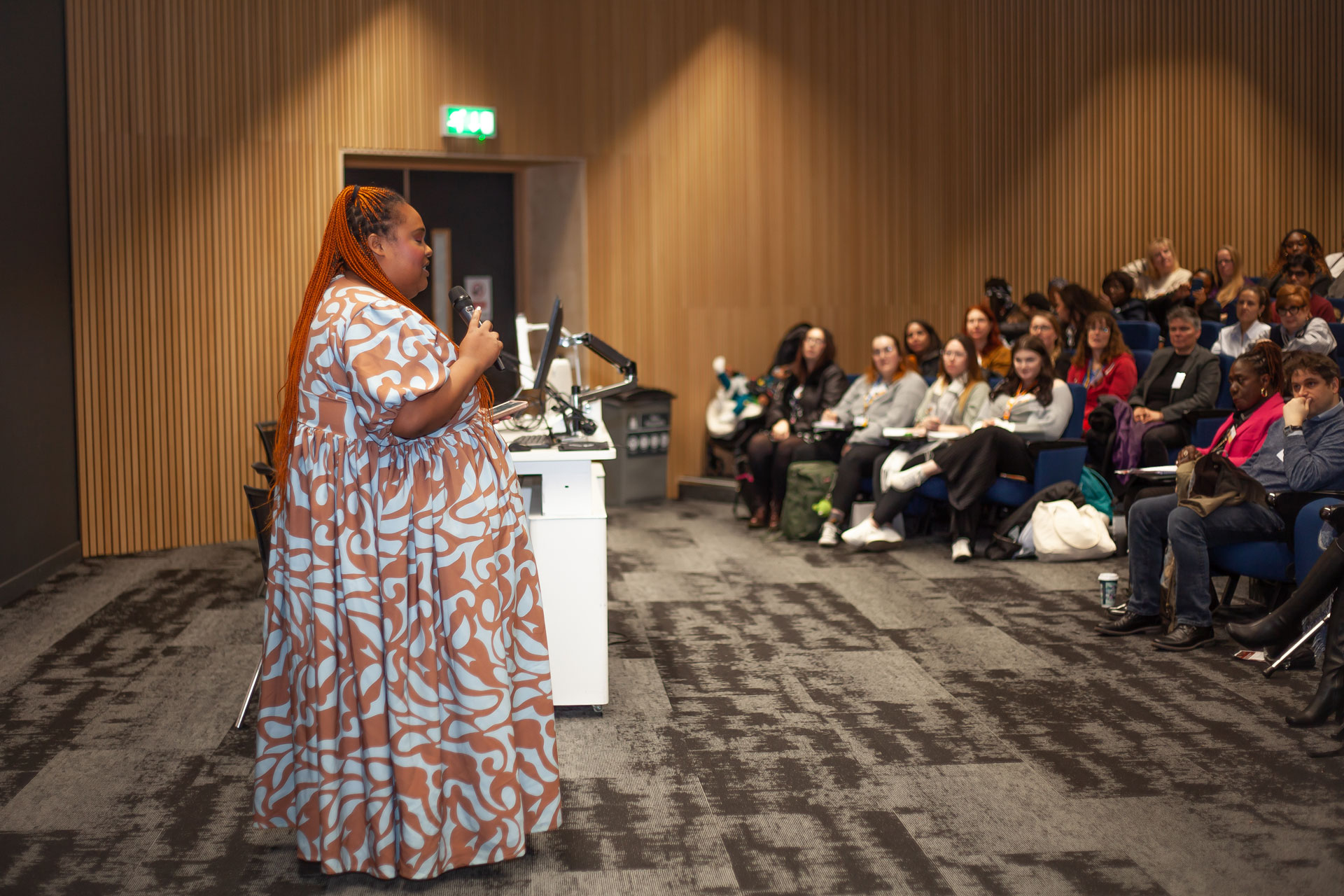
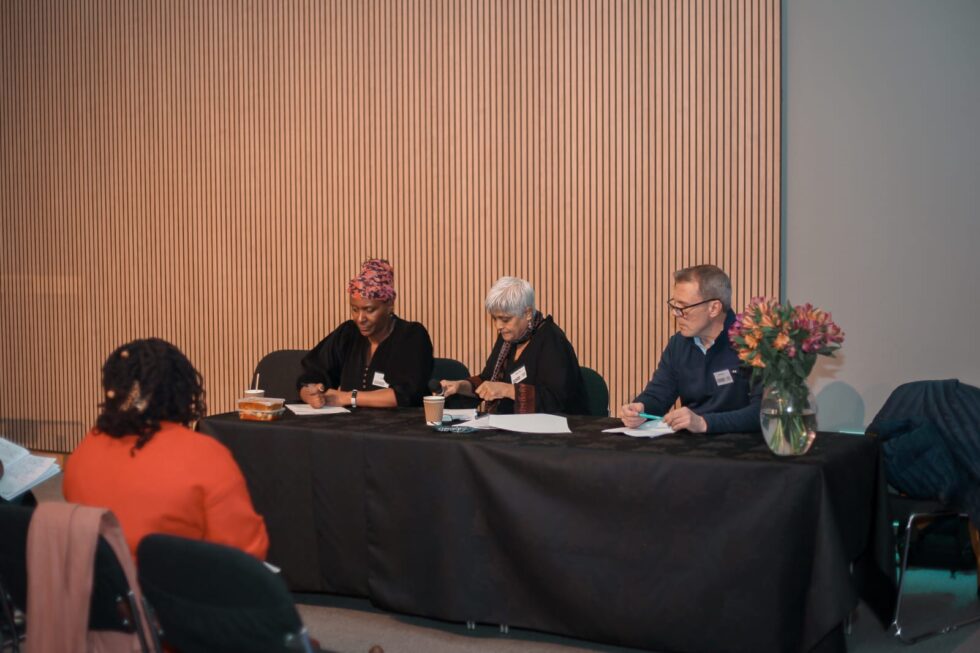
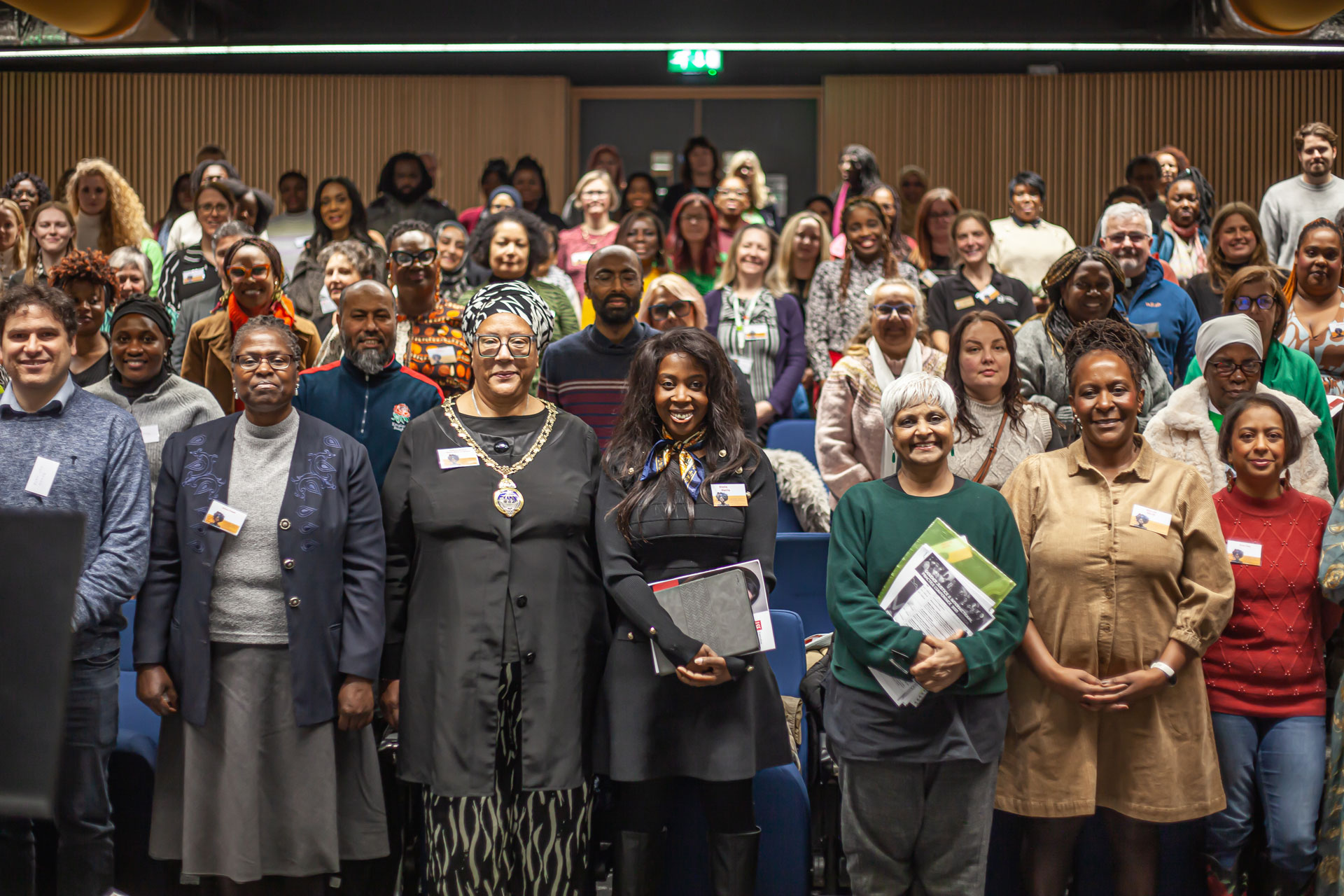
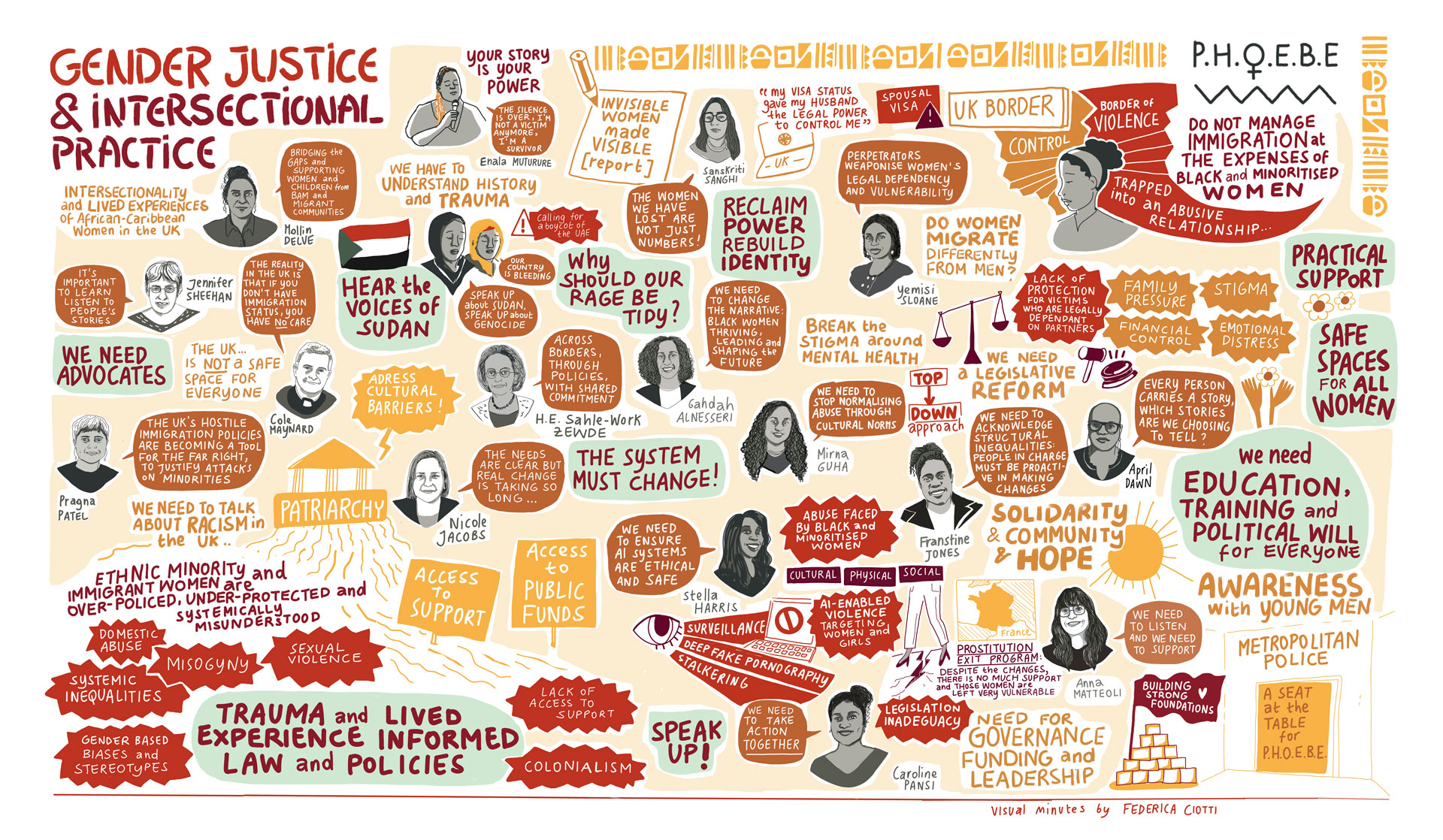
Since 2024, the Network has convened two Gender Justice and Intersectional Practice Conferences, bringing together nearly 300 participants from community organisations, healthcare, local government, social care, domestic abuse and welfare services and other sectors.
Through these platforms, we create space for critical dialogue and shared learning on gender-based violence, race, migration, intersectionality and institutional practice, while ensuring that the expertise of Black African and Caribbean communities informs the conversations, decisions and practices that affect their lives.
CORE VALUES
INTERSECTIONALITY
SOLIDARITY
COLLECTIVE CARE
INCLUSIVITY
VISION
A future where Black African and Caribbean migrant and minoritised women across the UK, particularly in East Anglia, live with safety, dignity, autonomy and belonging, free from gender-based violence and systemic oppression, and are recognised as knowledge holders, leaders and agents of change, where grassroots organisations and frontline professionals are equipped to deliver culturally responsive, intersectional support and systems uphold equity, justice and the rights of Black African and Caribbean women.
MISSION
To advance gender justice for Black African and Caribbean migrant and minoritised women by strengthening the capacity of grassroots organisations, Network members and frontline professionals to deliver culturally responsive, intersectional and effective responses to gender-based violence and intersecting inequalities.

WHO WE ARE
We are a collective of grassroots organisations, community leaders, frontline professionals, researchers and women with lived experience who bring different forms of knowledge, expertise and experience to gender justice work. We create space for these perspectives to come together, learn from one another and develop shared understanding and action.
WHAT WE DO
- We support grassroots organisations, Network members and frontline professionals to recognise, prevent and respond effectively to genderbased violence affecting Black African and Caribbean women through training, practice development and knowledge exchange.
- We strengthen the knowledge, skills and organisational capacity of community-led organisations and frontline practitioners through peer learning, training, mentoring, resource sharing and collaborative practice.
- We bring lived experience, grassroots evidence and research into policy and decision-making spaces. Through advocacy, evidence gathering and policy engagement, we challenge discriminatory practices and promote accountability, better data and more equitable resource allocation.
- We create spaces for women, grassroots organisations and frontline practitioners to connect, share knowledge, build solidarity and develop collective solutions through community dialogues, peer spaces, learning events and collaborative initiatives.
HOW WE WORK
Our work is grounded in principles that shape how we understand gender justice, engage with communities and work towards change.
- We centre Black African and Caribbean women’s lived experience, leadership and expertise, ensuring women and their communities have meaningful influence over decisions and solutions that affect their lives.
- We recognise that experiences of gender-based violence and inequality are shaped by the interaction of race, gender, migration status, class, disability, language, culture and economic inequality.
- We challenge racism, sexism, misogyny, misogynoir and institutional discrimination, recognising how these shape women’s experiences of violence, services and justice.
- We recognise grassroots organisations and community networks as holders of knowledge, trust and leadership, and value their expertise in shaping responses to inequality and violence.
- We seek to shift decision-making, influence and resources towards those most affected by inequality, challenging structures and practices that reproduce unequal power.
OBJECTIVES
- To advance the safety, rights and wellbeing of Black African and Caribbean minoritised women experiencing gender-based violence and intersecting inequalities across the UK.
- To strengthen gender justice and intersectional practice among professionals and organisations working with Black African and Caribbean minoritised women.
- To strengthen the capacity of grassroots organisations, Network members and professionals to develop effective, equitable and community-accountable responses to gender-based violence and intersecting inequalities.
- To influence systemic and structural change addressing the root causes of gender-based violence and inequality, including racism, patriarchy, institutional discrimination and unequal power relations, while advancing the meaningful participation and leadership of Black African and Caribbean women in decisions affecting their lives.
WHY THE NETWORK EXISTS
The Gender Justice and Intersectional Practice Network exists in response to a persistent gap in how gender-based violence, inequality and exclusion are understood and addressed for Black African and Caribbean minoritised women across the UK, with a particular focus on East Anglia.
Black African and Caribbean women can experience violence and inequality at the intersection of gender, race, migration status, class, economic insecurity, language, culture, disability and other systems of power. Yet these intersecting realities are not always adequately recognised within mainstream services, professional practice, policy or institutional decision-making. This can contribute to unequal access to safety, justice, healthcare, housing and mental health support; racialised and gendered assumptions; migration-related barriers; limited culturally responsive support; fragmented referral pathways; and underrepresentation in decision-making.
At the same time, grassroots and by-and-for organisations often hold strong relationships with communities and significant lived, cultural and community expertise, but can have less access to sustainable resources, commissioning opportunities, research, policy spaces and institutional decision-making.
This creates a capacity and power gap: communities and organisations closest to women’s experiences may hold essential knowledge and trust, while institutions with greater resources and decision-making authority may not always have the knowledge, relationships or practice capability required to respond effectively.
The Network exists to bridge this gap by connecting community expertise with institutional influence and strengthening the collective voice, capacity and power of those closest to the issues
OUR IMPACT
- Delivered two Gender Justice & Intersectional Practice Conferences, bringing together nearly 300 participants across healthcare, local government, domestic abuse and welfare services, social work, community organisations and other sectors.
- Created spaces for dialogue on racism, anti-migrant narratives, gender-based violence, migration and institutional inequality.
- Supported professional learning on culturally responsive, trauma-informed, intersectional and anti-racist approaches to gender-based violence.
- Connected grassroots organisations and frontline professionals, creating opportunities for knowledge exchange, collaboration and collective learning.
- Amplified lived expertise, recognising Black African and Caribbean women as knowledge holders, rights holders and agents of change.
Our Sponsors
COMING SOON